Big Bunny Market in Massachusetts and S&C Foods in Tennessee don't have the tech budgets of national chains, but both are betting on Instacart's tools to grow online sales.
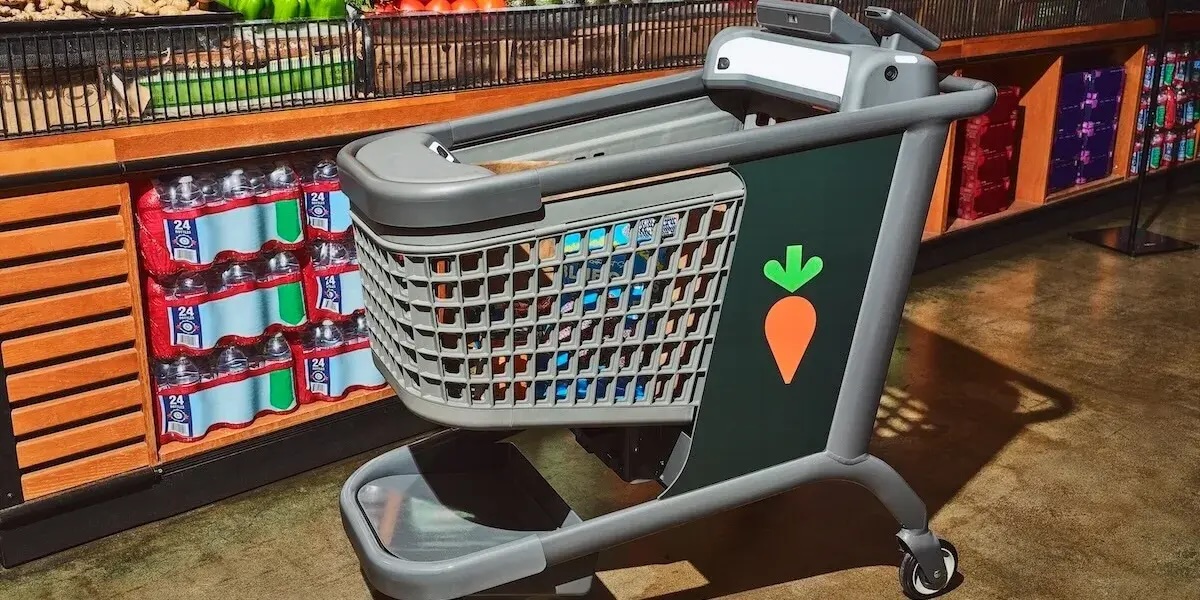
Big Bunny rolled out Instacart's AI-powered Caper Carts in October 2025. S&C Foods adopted Instacart's Storefront Pro e-commerce platform the same month. Luke's Local Grocery in California started using FoodStorm, Instacart's order-management system for prepared foods and deli counters, according to an Instacart press release.
"Storefront Pro will make it easy for us to create a best-in-class online platform that maintains our local identity that our customers know and love," Shane Means, operations manager at S&C Foods, said in the October 2025 announcement.
Allegiance co-op brings 125 stores on board
In January 2026, Instacart expanded its partnership with Allegiance Retail Services, a retailer-owned co-op supporting more than 125 independently owned supermarkets across the Northeast. The co-op's banners include Foodtown, Freshtown, D'Agostino and Gristedes.
Storefront Pro now powers e-commerce across all Allegiance retailers. Instacart's Caper Carts went live at Foodtown stores in Mt. Vernon, New York; Red Bank, New Jersey; and East Stroudsburg, Pennsylvania, with more deployments planned for 2026, according to the company.
Donna Zambo, executive vice president and chief marketing officer at Allegiance, said the partnership helps independent grocers meet changing customer expectations while staying competitive.
Customers are responding, and retailers notice
The customer-engagement numbers back up what store owners are hearing on the ground. Instacart said 40% of Caper Cart shoppers redeemed a discount offer on the smart cart screen during a four-week period in May and June 2025. More than half used at least one coupon at checkout.
Jonathan Cournoyer, owner of Big Bunny Market, said in the October 2025 press release that customers enjoy how the carts make shopping easier and help them save money. That kind of in-store reception is part of what's driving more retailers to sign on.
The number of stores using Caper Carts nearly tripled in the year before October 2025, spanning nearly 100 cities across 15 states. By the first quarter of 2026, the carts were live in more than 100 cities across more than 12 retail banners, according to Instacart's Q1 2026 earnings.
Instacart's growing footprint in Middle Tennessee extends beyond independent, too.
Instacart became the primary delivery provider for all orders placed through Kroger.com and the Kroger app in the Nashville area, The Tennessean reported in December 2025. That means Hendersonville residents ordering groceries from Kroger online now receive deliveries fulfilled through Instacart rather than Kroger's own trucks.
FoodStorm, the company's prepared-foods platform, was live in more than 3,000 stores as of October 2025, more than double the count at the end of 2024. Harmons Grocery, a regional independent grocer based in West Valley City, Utah, uses FoodStorm for catering and special orders.
Spencer van den Eikhof, director of e-commerce and loyalty at Harmons, said in a March 2026 SmartBrief article that FoodStorm helped grow the catering side of the business enough that the company is migrating additional specialty e-commerce onto the platform.
The bigger picture
U.S. online grocery sales hit $12.5 billion in September 2025, a 31% jump from the same month a year earlier, according to the Brick Meets Click Grocery Shopper Survey sponsored by Mercatus. Online spending captured nearly 19% of weekly grocery spending that month.
Grocers who upgrade to Storefront Pro see an average lift of more than 10% in online sales, Instacart CEO Chris Rogers said during the company's Q1 2026 earnings call. That figure covers all retailers on the platform, not just independents.
Instacart's Storefront Pro powered more than 380 grocery sites as of the first quarter of 2026.